Entry · Ref T4PRCA3M
Why Lab-Tested Honey Oil Stands Out in the Cannabis Concentrate World
- Posted
- 2026-10-16
- Last amended
- 2026-10-16
- Account
- @labtestedhoneyoilpro
The Rise of Honey Oil in Modern Cannabis
Over the past few years, cannabis concentrates have evolved far beyond the sticky black tar some of us remember from decades past. Today, the market offers everything from crystalline isolates to solventless extracts that preserve the full character of the plant. Among these, honey oil has carved out a loyal following for its unique balance of flavor, potency, and texture. But not all honey oil is created equal. The difference often comes down to one factor: whether it has been lab-tested. In this article, I want to walk through what makes lab-tested honey oil a smart choice for anyone serious about their cannabis experience, whether you are a seasoned dabber or just starting to explore concentrates.
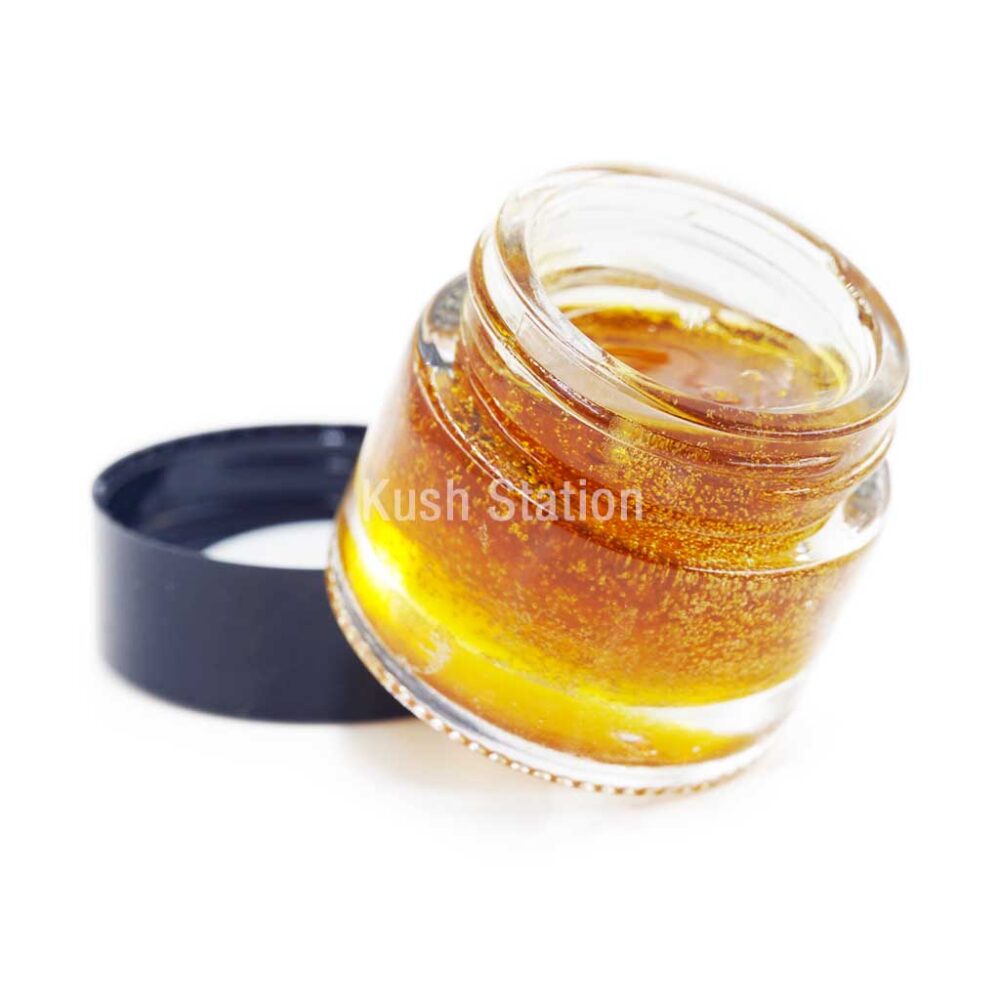
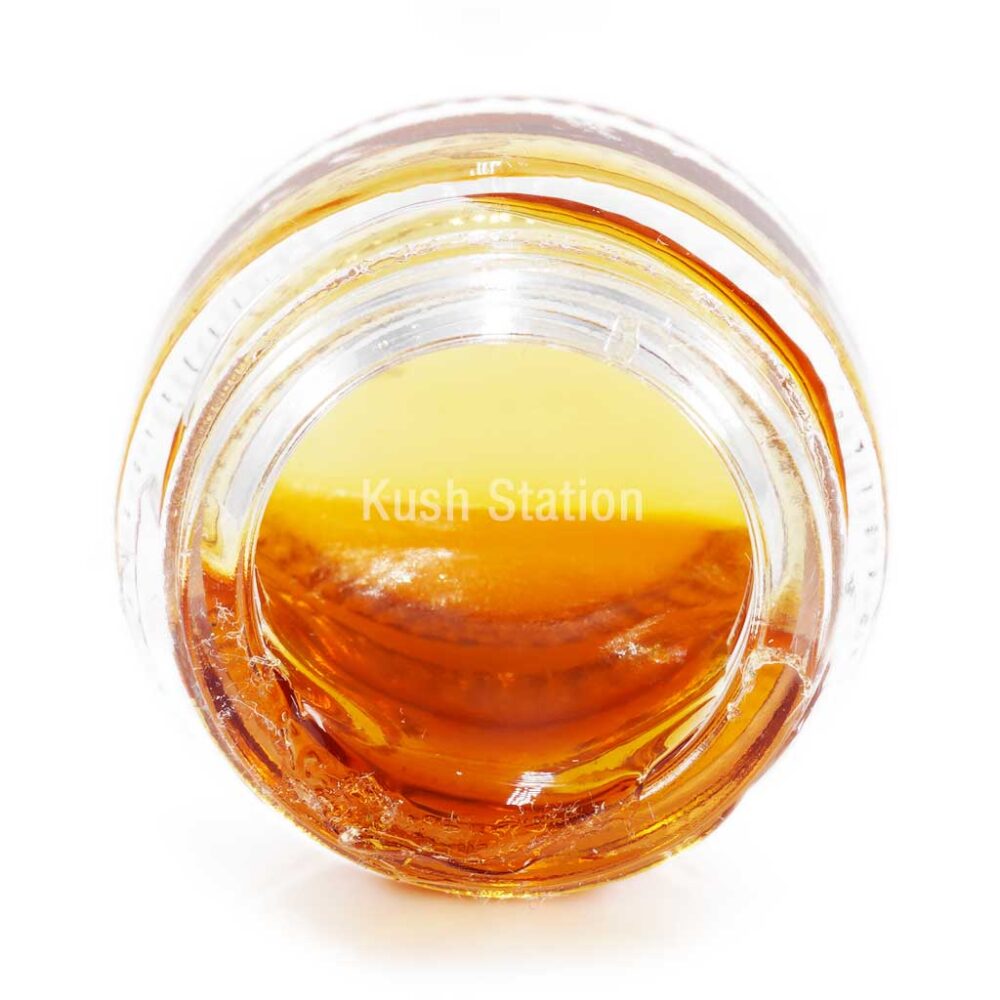
Honey oil sits somewhere between a liquid concentrate and a waxy extract. Its golden, viscous appearance gives it the name, and it typically offers a full spectrum of cannabinoids and terpenes. That full spectrum profile is what many users find appealing, because it retains more of the plant's natural chemistry than some highly refined products. However, without proper testing, you are essentially flying blind on potency, purity, and safety. That is where lab-tested honey oil changes the game.
What Lab-Tested Actually Means for the Consumer
When a product is described as lab-tested, it means a third-party laboratory has analyzed a sample from that batch. The test results, usually shared as a lab report or certificate of analysis, provide specific numbers for THC content, CBD levels, and other cannabinoids. They also screen for contaminants like residual solvents, pesticides, or microbial growth. For honey oil, which can be produced through various methods including CO2 extraction or live resin techniques, the importance of this testing cannot be overstated.
I have seen too many people buy unlabeled jars from unverified sources, only to discover the potency was far lower than advertised, or worse, that the product contained unknown additives. With lab-tested honey oil, you get a clear picture of what you are about to inhale or ingest. The batch number printed on the jar connects directly to a lab report that tells you the exact THC percentage, the terpene profile, and whether the product is free from harmful substances. For medical users or anyone who relies on consistent dosing, this level of transparency is essential.
Understanding Potency and Cannabinoid Testing
One of the first things I look for in a honey oil is the THC content. Potency varies widely from one batch to the next, even from the same producer. A lab report removes the guesswork. If you prefer a mild experience, you can choose a product with lower THC, around 50-60%. If you want something stronger, you might look for honey oil that tests above 80% THC. But potency is not just about THC. Cannabinoid testing also reveals the presence of other compounds like CBD, CBG, and CBN, which contribute to the entourage effect. That synergy between different cannabinoids is why many users feel a full spectrum extract hits differently than a pure THC isolate.
For example, a honey oil with a balanced ratio of THC to CBD might produce a more relaxing, less anxious high, while one high in THC alone can be intense and short-lived. The lab report tells you that story. It also helps you avoid products that have been cut with cheaper filler oils or synthetic cannabinoids, which are unfortunately still sold in some markets. A legitimate lab-tested product gives you peace of mind that the jar contains exactly what the label claims.
Strain Profiles and the Role of Terpenes
Beyond cannabinoids, the terpene profile of honey oil determines its aroma and flavor, and to some extent its effects. Indica strains tend to produce more myrcene and linalool, giving a sedative, earthy profile. Sativa strains are often higher in limonene and pinene, leading to uplifting, citrusy notes. But these are generalizations, and the actual terpene profile of a specific extract can vary significantly based on how the plant was grown and how the oil was extracted.
I have found that lab-tested honey oil often includes a breakdown of major terpenes on the lab report. That information is invaluable if you are trying to match a product to your mood or desired effect. For instance, if you want something calming for the evening, look for oils high in linalool or beta-caryophyllene. If you need focus during the day, a batch rich in alpha-pinene and terpinolene might be a better fit. Without testing, you are relying solely on the brand's description, which may be incomplete or inaccurate.
Extraction Methods: Solventless vs. CO2 vs. Live Resin
Honey oil can be made using different extraction techniques, each with its own trade-offs. Solventless methods, such as rosin pressing or mechanical separation, avoid chemical solvents altogether. The result is a pure product that many connoisseurs prefer, but yields tend to be lower. CO2 extraction uses pressurized carbon dioxide to strip cannabinoids and terpenes from the plant material. It is efficient and can produce a very clean oil, but requires careful control to avoid degrading delicate compounds.

Live resin is another approach, where the plant material is frozen fresh and extracted without drying. This method preserves the brightest terpene profile, capturing the plant's aroma as it was at harvest. Each method has its fans, and the best choice depends on what you value most. Personally, I lean toward solventless or live resin honey oil because the flavor tends to be more vibrant. But again, the lab report is the final arbiter. It tells you whether the extraction was clean, whether residual solvents are absent, and whether the cannabinoid ratios match the advertised strain profile.
Practical Tips for Buying and Using Honey Oil
When you are shopping for honey oil, look for a few key indicators of quality. The first is a clear batch number printed on the packaging. Second, a QR code or URL that leads to the lab report for that specific batch. Third, the product should list the extraction method, whether it is solventless, CO2, or live resin. If any of this information is missing, ask questions. A reputable seller like KushStation will provide these details readily, because they understand that informed customers make better choices.
For consumption, honey oil works beautifully in a dabbing rig or a compatible vaporizer. Because it is a concentrate, you need only a small amount per session. Start with a rice-grain sized dab and adjust based on your tolerance. The full spectrum nature of honey oil means the effects can feel more rounded than those from a distillate, so give yourself a few minutes to gauge the experience before adding more. Store your honey oil in a cool, dark place to preserve its terpene profile and potency. Over time, exposure to heat and light can degrade the cannabinoids and terpenes, flattening the flavor and reducing effectiveness.
Why Quality Control Matters More Than Ever
The cannabis industry has grown rapidly, but regulations still lag behind in many regions. That leaves room for products that are mislabeled, contaminated, or simply weak. Lab-tested honey oil is not a luxury; it is a baseline for responsible consumption. When you buy a product that has been through rigorous cannabinoid testing, you are protecting yourself from unknown variables. You are also supporting producers and retailers who prioritize transparency over hype.
I have spoken to many people who were initially skeptical of paying a premium for lab-tested products. After trying a few, almost all of them changed their minds. The consistency in effects, the confidence in dosing, and the better flavor all justify the extra cost. Plus, you avoid the disappointment of opening a jar that smells like old socks or turns out to be half the advertised potency. In a market where margins are thin and competition is fierce, the brands that invest in testing are the ones worth your trust.
One final point: do not overlook the entourage effect. The reason many users prefer full spectrum honey oil over pure THC distillate is that the minor cannabinoids and terpenes work together to create a more nuanced experience. Lab-tested honey oil gives you the data to understand exactly which compounds are present and in what ratios. Over time, you can learn which profiles work best for your needs, whether that is managing pain, improving sleep, or simply relaxing after a long day. That knowledge is power, and it starts with a simple lab report.
So next time you are browsing for honey oil, make sure the product you pick carries a batch number and a verifiable lab report. Your future self, with a clearer head and a more satisfying session, will thank you.